The Super Sweet Blogging Award

Super Sweet Blogging AwardLast Christmas Eve, Fae of Fae’s Twist & Tango decided to play Santa and put something super sweet under our Christmas tree. 🙂 We want to thank Fae for passing on to us this lovely award. Fae is a very special lady of exotic origin who has been travelling the world since… forever! Her blog is much more than extraordinary recipes. She opens the door to new worlds taking her readers on a fascinating journey through amazing different cultures. You may want to check her blog out when you got a chance. I promise you won’t regret it! 🙂

The rules of the award are:

1 Visit and thank the blogger who nominated you.
2 Acknowledge that blogger on your blog and link back.
3 Answer the “Super Sweet” questions.
4 Nominate a “Baker’s Dozen” (12) blogs for the award, add a link to their blogs in your post, and notify them on their blogs.
5 Copy and paste the award on your blog somewhere.

The Super Sweet Questions are:

1. Cookies or Cake? Cookies

2. Chocolate or Vanilla? Chocolate

3. What is your favorite sweet treat? Hazelnut dark chocolate

4. When do you crave sweet things the most? In the morning

5. If you had a sweet nickname, what would it be? If someone would give me a sweet nickname, I would suggest that he or she sign up for therapy sessions! 😉

My nominees are (in no particular order):

1. Sweet Precision because Heather was born with the baking gene.
2. lovely buns because temptation must be rewarded.
3, 4, 5 & 6. Tortore, The Greedy Frog, Dans Ta Kitchenette and Ma Cuisine et Vous because everybody talks about Italians but when it comes to baking, let’s be honest, French do it better 😉
7. Bam’s Kitchen because of that unique exotic twist Bobbi always manages to put in.
8. piesandeyes because he believes that food should look good in addition to taste good.
9. Maria Dernikos because her baking skills are amazing.
10. at350degrees because of Carissa’s “bake-ology”.
11. The pancake princess and the protein prince because Erika makes me crave sweets even if I do not have a sweet tooth.
12. apuginthekitchen because of her extraordinary creativity.

Congratulations to all the nominees – you are all very well deserving!

Posted in Awards | Tagged , , , , , , , | 24 Comments

An Overview of the ISA Wine Tasting Protocol

StefanoOne of the key building blocks of the sommelier certification course offered by the Italian Sommelier Association (ISA) is their standardized wine tasting protocol. This is a protocol that has been devised over the years by the association with a view to uniforming wine evaluations and reviews as much as possible among ISA-member sommeliers through the use of a common procedure and a common vocabulary.

A few years ago I went through all of the three levels of the ISA sommelier certification course at the Milan chapter of ISA and I thoroughly enjoyed the great learning experience that such a course offered, so I hope that many of you will find this quick overview of the ISA wine tasting protocol an interesting read. Besides, the main reason why I want to introduce these concepts is that I intend to utilize a simplified version of this evaluation process in wine reviews that I plan on publishing in future posts on this blog.

An ISA-protocol wine tasting is divided into three main phases, as follows:

  • Visual Analysis
  • Scent Analysis
  • Taste-Scent Analysis

Each phase is divided into multiple steps, each of which needs to be addressed by the taster using the ISA standardized vocabulary and the ISA wine tasting sheet. For our purposes, we will not focus on each of the 116 wine tasting terms in the ISA vocabulary or this post would grow out of proportion, but the following overview should anyhow give you a pretty good idea of what the process entails. If you have doubts as to the meanings of certain of the wine terms used below, you may want to refer to our Wine Glossary.

(A) Visual Analysis

  1. Clarity: this is an assessment whether the wine looks clear or instead presents debris or insoluble particles (as it may happen in old wines or unfiltered wines) – standard term for red wines is “clear”, standard for still white wines is “crystal clear” and standard for quality sparkling white wines is “brilliant”
  2. Color: self-explanatory, based on codified color terms for each type of wine (e.g., for white wines: greenish yellow; straw yellow; golden yellow; amber yellow). To properly assess color, one should hold the glass tilted forward (i.e., away from you) at a 45° angle against a white backdrop and assess color by looking in the middle of oval made by the surface of the wine in the glass. After assessing color, one should focus on the top part of the rim made by the wine in the glass (where the wine is shallower) to assess whether there are any perceptible color variations or “hints“: for instance, for a structured red wine with a few years of aging, the color analysis could be “ruby red with garnet hints” or vice versa a red wine that is still fairly young could be “ruby red with purple hints”
  3. Viscosity: this step entails swirling the wine in the glass and observing how fluidly or viscously it rotates and then observing the shape of the “arches” and the velocity of the “tears” that the wine leaves on the inside of the glass – two indicators of the wine’s alcohol by volume (ABV), glycerol content and structure or body (the faster the wine to stop swirling after you stop rotating the glass and the slower the tears to fall, the more ABV/structure the wine will have). Viscosity is only assessed in still wines
  4. Effervescence: as opposed to viscosity, this is a quality that is only assessed in sparkling wines. Here the taster should assess three characteristics of the perlage of the wine: the number of bubbles (the more, the better); the grain of the bubbles (the finer, the better); and the persistence of the bubble chains in the glass (the longer they last, the better)

(B) Scent Analysis

  1. Intensity: here the taster swirls the wine in the glass once again and then smells its bouquet. This first step of this phase assesses how clearly perceptible the wine aromas are in the nose of the taster
  2. Complexity: here the taster should assess how many different aromas he or she can pick up from the wine through successive inhalations: the more perceptible scents, the more complex the bouquet of the wine
  3. Description of the Aromas: here the taster indicates what kind of aromas he/she felt (or thinks that he/she felt!) in the nose, like aromas of flowers, fruit, herbs, spices, animal, soil, tobacco, minerals, etc.
  4. Quality: this is an overall evaluation of the quality of the bouquet of the wine, based on the three previous steps

(C) Taste-Scent Analysis

This phase of the ISA wine tasting protocol requires a premise: this is (finally!) the moment when the taster gets to actually taste the wine in his/her mouth.

Before getting to evaluating its quality, the taster classifies the wine in light of its essential characteristics, which are divided into two macro-categories called “softness” and “hardness“. The former category comprises sweetness, alcohol by volume and smoothness, while the latter encompasses acidity, tannins and tastiness (see more about these terms below). This analysis is important because, depending on its outcome, the taster will later decide whether the wine is balanced or not. But let’s now get to the various steps of this phase:

(i) Softness:

  1. Sweetness: here the taster classifies the wine based on its residual sugar level: dry, off-dry, medium-dry, sweet…
  2. Alcohol: here the wine is classified based on the perception in the mouth of its ABV: a wine for which a high ABV is clearly perceptible (but not disturbing) is called “warm” because of the feeling of apparent “heat” that alcohol conveys in the mouth
  3. Smoothness: this quality of the wine is that sense of “roundness” or “silkiness” in the mouth that is generally more common to red wines than whites, although there are exceptions. It is mainly given by the glycerol levels present in the wine, as a result of the alcoholic fermentation process or the action of Bortytis Cinerea in botrytized wines

(ii) Hardness:

  1. Acidity: here the wine gets classified based on the extent of perceptible acids present in the wine. A wine with crisp acidity is called “fresh”. Good acidity levels are generally desirable in white wines and particularly so in Brut sparkling wines. One of the key indicators of a wine with good acidity is increased salivation in the mouth
  2. Tannicity: this assessment is made only for red wines, because white wines have negligible amounts of tannins (because the white winemaking process lacks the maceration phase that in the red winemaking process permits the extraction of tannins). Depending on the grape variety/ies that are used to make a wine, this will be more or less tannic
  3. Sapidity: here the taster assesses the minerality of the wine, that is the extent to which mineral compounds are clearly discernible in the mouth, in the form of a vaguely salty taste

(iii) Structure:

Body: this is an assessment of the structure or body of the wine, which is given by its dry extract and alcohol by volume: wines with a higher dry extract and ABV are called full-bodied

(iv) Assessment:

  1. Balance: this is a very important call that the taster is required to make in light of the aforesaid classifications. Generally, a wine is deemed balanced when its “softness” and “hardness” components balance each other out, but this is not a rule that is carved in stone and there are important exceptions. For instance, when tasting a white wine, it is commonly considered desirable that its “hardness” side have an edge over its “softness” side, while the opposite is often the case for structured red wines
  2. Intensity: as in the Scent Analysis phase, this is an assessment of how clearly perceptible the flavors of the wine are in the mouth of the taster
  3. Persistence or Finish: here the taster is called to classify the wine based on how long its flavors linger in his/her mouth after having swallowed a sip of wine. The finish is deemed long if the wine flavors are still perceptible after 7-10 seconds of swallowing
  4. Quality: here the taster assesses the quality of the wine flavors that he/she felt in the mouth: a quality judgment of “fine” implies that the flavors are (or include those) typical for the grape variety/ies of the wine and are pleasant in the mouth
  5. Evolutionary State orLife Cycle: here the taster classifies the wine based on its aging potential. A wine that is classified as “ready” means that it can be pleasantly drunk today but it would benefit from a few years of additional aging in order to achieve its full potential. By contrast, a wine is deemed “mature” when it is already deemed at its top and additional aging would make its quality degrade
  6. Harmony: this is the final, overall judgment about a wine, that is defined as a coherent synthesis of the three phases of the ISA wine tasting protocol resulting in a outstanding quality level. A wine that did well but not outstanding would be deemed “not quite harmonious”.

One final word regarding the recommended type of glass to perform a wine tasting exercise: it needs to be made of clear glass (ideally, a crystal glass), it needs to have a stem (that’s how one is supposed to hold the glass, by the stem), and it needs to have a bowl that is larger at the bottom (to allow wine to deposit when the color analysis is performed and to permit smooth swirls in the assessments of fluidity and bouquet) and smaller at the top (to concentrate aromas in the nose, thus facilitating bouquet assessment).

This is all: I hope you enjoyed this overview – stay tuned for a few wine reviews to come!

Posted in Wine, Wine Education, Wine Reviews | Tagged , , , , , , , | 16 Comments

Winevent – Gambero Rosso’s Tre Bicchieri USA Tour: February 7-15, 2013

Gambero Rosso's Tre Bicchieri USA Tour 2013It appears that a wave of Italian wine is about to wash the shores of the U.S.: beside the Vinitaly International/Slow Wine event that is scheduled for January 28 in New York (for more information and other dates/cities, see our previous Winevent post), Gambero Rosso’s Tre Bicchieri World Tour will make three stops in the U.S., as follows:

  • February 7: San Francisco, CA
  • February 12: Chicago, IL
  • February 15: New York, NY

This event is open to media, trade and “Italian wine collectors” (sic) only – links to register for any of the three locations above are available on Gambero Rosso’s Web site. Tre Bicchieri USA 2013 is an event that is not to be missed for those who qualify and are into Italian wine, as the organizers will showcase a selection of only those Italian wines and producers that have been awarded the coveted top “tre bicchieri” (i.e., three glasses) recognition by reputable Gambero Rosso wine guide.

Just to give you an idea,  in an imaginary tour of Italy from North to South, the list of the wines that won the prestigious tre bicchieri includes, limiting ourselves to just one wine per region and trying to avoid the most obvious among the “usual suspects”:

  • Northern Italy: Les Crêtes‘ Chardonnay Cuvée Bois (Valle d’Aosta); Cogno‘s Barolo Vigna Elena Riserva (Piemonte); Bio Vio‘s Riviera Ligure di Ponente Vermentino Aimone (Liguria); Berlucchi‘s Franciacorta Brut Cellarius (Lombardia); Ferrari‘s Trento Extra Brut Perlé Nero (Trentino); Muri Gries‘s Alto Adige Lagrein Abtei Muri Riserva (Alto Adige); Masi‘s Amarone della Valpolicella Classico Mazzano (Veneto); Vie di Romans‘s Isonzo Sauvignon Piere (Friuli); Chiarli‘s Lambrusco di Sorbara Del Fondatore (Emilia Romagna);
    *
  • Central Italy: Fonterutoli‘s Mix 36 (Toscana); Oasi degli Angeli‘s Kurni (Marche); Caprai‘s Sagrantino di Montefalco 25 Anni (Umbria); Cataldi Madonna‘s Pecorino (Abruzzo);
    *
  • Southern Italy: Mastroberardino‘s Taurasi Radici (Campania); Basilisco‘s Aglianico del Vulture Basilisco (Basilicata); Planeta‘s Chardonnay (Sicilia); Argiolas‘s Turriga (Sardegna).

For the entire list of awarded wines, check out Gambero Rosso’s Web site.

Much like in the case of Vinitaly International/Slow Wine NYC 2013, we plan on attending the Gambero Rosso event in New York City and reporting on Flora’s Table thereafter.

Posted in Wine, Winevents, WiNews | Tagged , , , , , , , , , | 23 Comments

Spaghetti alla Carbonara – Recommended Wine Pairing

Les Crêtes, VdA Chardonnay Cuvée Bois DOCThis wine pairing post for Francesca’s mouth-watering Spaghetti alla Carbonara has been long overdue – apologies if it took me so long, but my Italian spumante series in view of the end-of-year festivities kind of got in the way 🙂

Without further ado, let’s now get to it: picking up where we left off in response to a prophetic question from Chiara (the gracious and posh image consultant who authors the “effortless style” blog Kiarastyle) in the comment section of Francesca’s recipe post, my suggestions are to either pair it with a structured Chardonnay with some oak-aging, good acidity and minerality or go for a red wine with good acidity, gentle tannins and ideally some minerality, such as a Pinot Noir from the North-Eastern region of Alto Adige.

St. Michael-Eppan, A.A. Chardonnay Sanct Valentin DOCThere is not much to say that is not already widely known about the two grape varieties that I picked, since they are both international varieties (as opposed to grapes indigenous to Italy). However, something worth mentioning is that in regards to Chardonnay you will notice that my recommendations span pretty much across the entire Italian territory, literally from Valle d’Aosta to Sicily, while my Pinot Noir choices focus on one specific region, Alto Adige. This is because, while Chardonnay has been very successfully grown in different terroirs in North, Central and even Southern Italy, the same is not true for Pinot Noir, whose best results are attained in the region of Alto Adige first and foremost, and then in Lombardia and Valle d’Aosta. This is hardly a surprise considering how finicky a grape variety Pinot Noir is compared to the great versatility and adaptability of Chardonnay grapes.

Elena Walch, A.A. Beyond the Clouds DOCWith that said, let’s get down to the recommendations, starting from our mini-tour of Italy showcasing some of my all-time favorite Italian Chardonnays:

  • Les Crêtes, Valle d’Aosta Chardonnay Cuvée Bois DOC from Valle d’Aosta (100% Chardonnay; in my view a phenomenal wine with a wonderful bouquet of wildflowers, jasmine, pineapple and butter – hats off to the producer who invested the energy and resources necessary to achieve a density of 7,500 vines/HA in the vineyard used to create this magnificent wine)
    *
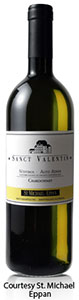
  • St Michael-Eppan, Alto Adige Chardonnay Sanct Valentin DOC from Alto Adige (100% Chardonnay; with scents of Mirabelle plum, butter, vanilla and almond)
    *
    Castello della Sala, Bramito del Cervo Umbria IGT
  • Elena Walch, Alto Adige Beyond the Clouds DOC from Alto Adige (“predominantly” Chardonnay blended with other white grape varieties based on a proprietary recipe; with scents of peach, pineapple, almond, butter and vanilla)
    *
  • Jermann, W? Dreams Venezia Giulia IGT from Friuli Venezia Giulia (97% Chardonnay, 3% other grape varieties kept it a secret by the winery; with aromas of Mirabelle plum, citrus, vanilla and a smoky hint – a special note of merit to the producer who achieved a density of almost 8,000 vines/HA in the vineyards used to create this excellent wine)
    *
  • Tenute Folonari, La Pietra Tenute del Cabreo Toscana IGT from Toscana (100% Chardonnay; with scents of peach, butter, honey, hazelnut and flint)
    *
    Planeta, Chardonnay Sicilia IGT
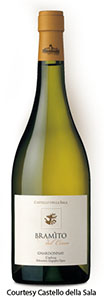
  • Castello della Sala, Bramito del Cervo Umbria IGT from Umbria (100% Chardonnay; with fine aromas of wildflowers, pineapple, Mirabelle plum, butter, vanilla and hazelnut)
    *
  • Planeta, Chardonnay Sicilia IGT from Sicily (100% Chardonnay; with complex and elegant scents of wisteria, peach, apple, honey, butter, vanilla, hazelnut and chalk)

Finally, these are some of my favorite Italian Pinot Noirs for their quality to price ratio (note that all of the wines below are 100% Pinot Noir):

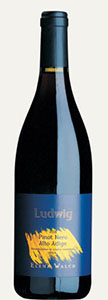
  • Elena Walch, Alto Adige Pinot Nero Ludwig DOC (with scents of rose, wild strawberry and plum)
    *
    Elena Walch, A.A. Pinot Noir Ludwig DOC
  • St Michael-Eppan, Alto Adige Pinot Nero Riserva DOC (with aromas of wild strawberry, raspberry and soil)
    *
  • Manincor, Alto Adige Pinot Nero Mason DOC (with scents of wild strawberry, raspberry and cranberry)
    *
  • Hofstätter, Alto Adige Pinot Nero Mazon Riserva DOC (with aromas of wild strawberry, cherry and cranberry)
    *
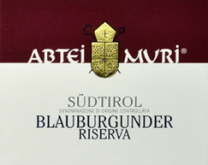
  • Muri-Gries, Alto Adige Blauburgunder Abtei Muri Riserva DOC (with scents of wild strawberry, cranberry and plum)

That’s all for now – enjoy some good wine and as always let me know if you get to try any of these wines!

Muri Gries, A.A. Blauburgunder Abtei Muri Riserva DOC

Posted in Wine, Wine Pairings | Tagged , , , , , , , , , , , , , , , , , | 23 Comments

Winevent – January 28, 2013: Vinitaly International & Slow Wine 2013 in NYC

VinitalyWe are happy to report some pretty exciting news for Italian wine lovers and those who would just like to know more about it first-hand: for the first time ever, Slow Food Editore (the publisher of the Slow Wine Guide, a guide in English to Italian wines) and Vinitaly (the largest Italian wine fair in the world) join forces to showcase an impressive selection of Italian wine labels and to offer American wine trade a broad array of events, including Italian wine tastings (some of which will apparently be conducted through an interactive iPad app – sounds pretty cool!), educational sessions as well as B2B and B2C events. In this context, Slow Food will also present the 2013 edition of its English-language Italian wine guide, Slow Wine.

Vinitaly International & Slow Wine 2013 USA will be held on January 28, 2013 in New York City at Three Sixty°, 10 Desbrosses Street (between Hudson & Greenwich). The program will include:

  • 12:00 noon: Opening press conference
  • 1:00 to 5:00 pm: Walk-around wine tasting open to trade and press
  • 6:30 to 9:00 pm: Wine tasting open to consumers

I am glad to report that Flora’s Table will participate in this event and will cover it on this blog, so if you plan on attending, make sure to let me know, but if you cannot make it to the Big Apple to take part in it, do not despair and just stay tuned: we will tell you the good, the bad and the ugly about it! 😉

To register for the Vinitaly International NYC event, go to Vinitaly International’s Web site and for purchasing tickets to the Slow Food NYC event, check out Slow Food’s Web site. Lists of participating wineries are available here (Slow Food) and here (Vinitaly International).

Finally, a repeat of this joint event will be held on January 30, 2013 in Miami, FL, at the Miami Beach Resort and Spa, while Slow Wine USA 2013 will make one last stop on February 4, 2013 in San Francisco, CA, at the Terra Gallery: for more information, refer to Slow Food’s Web site and to Vinitaly International’s Save the Date card or Web site.

Slow Wine

Posted in Wine, Winevents, WiNews | Tagged , , , , , , , , , | 14 Comments

Saffron “Milanese” Risotto

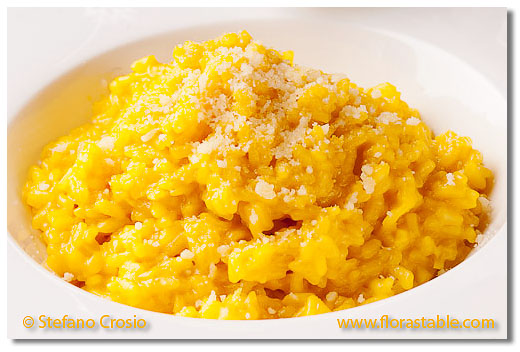
Francesca's Safron Risotto

2 Servings

Every time I make risotto for my American friends they look at me like I’m serving them some kind of magical concoction.  🙂  It is instead a very simple dish to make and these are the reasons why I decided to publish this recipe:

1. Once you master the making process of this risotto (which I personally consider to be the basic one) you will be able to make any risotto. You can unleash your imagination in terms of ingredients and be as creative as you can.

2. I’m very fond of this risotto. My mother used to make it for us when I was a child (although it belongs to the Milan cuisine tradition). During the time that I spent working and living in Milan, I think I ate tons of saffron risotto in restaurants and households. Nowadays, famous master chefs are reinventing this wonderful dish by adding ingredients or changing the process, making you believe that they are revealing you the secret of the Holy Grail (and, of course, asking you an outrageous amount of money for such revelation!) This is something that I personally condemn. What’s wrong about continuing to cook a dish the traditional way, when the original recipe has been perfect for centuries? Thank goodness, there are still old trattorie in Milan that go way back and still serve you the real thing, letting your palate experience something unique.

3. There is a legend about the creation of this dish that is so lovely and amusing that I think it is worth sharing. It was 1574 and the Duomo in Milan was being built. A group of Belgian glass makers, under the direction of their master, Valerio of Fianders, were working on the stain-glass windows representing episodes of the life of St. Elena. One of Valerio’s apprentices was known for his ability to make wonderful colors. His secret? He used to add some saffron to the color mixture creating amazing chromatic effects. On September 8, 1574 the wedding of the daughter of master Valerio was being celebrated. This apprentice (some say as a joke, some say as a gift to the bride) came up with the idea of adding some saffron to the risotto that was going to be served during the nuptial meal. The result? The yellow risotto was a hit among the guests and this classic of the Milan cuisine was created.

Now, I could keep going telling you about the history of rice, how and when rice arrived in Italy and how it was cultivated, but I think I’ll stop here because this post is getting longer than a chapter in a Tolstoy book 😉

Let me just tell you a couple of things before we get down to the recipe.

First, the kind of rice. The best kind of rice to make risotto is carnaroli rice (which along with arborio rice and vialone nano rice are the most common rice varieties that are used in making risotto). The best brand of carnaroli rice is called Acquerello. Easy to find? Not at all! Not even in Milan. I had to go to the “jewellers” (that’s what I call the very expensive grocery stores in Milan like Peck at Via Spadari) to buy the famous Acquerello round metallic box. Bottom line? I usually use the less expensive and easier to find arborio rice.

Second, the original recipe calls for beef marrow. Again, not easy to find… even in Italy. I used to order it from my butcher in advance. So if you happen to put your lucky hands on some beef marrow, just remember that you have to cut it off into small pieces and cook it along with the shallot before adding the rice.

Francesca's Safron RisottoIngredients:

1/2 shallot
1 and 3/4 of 1 Tbsp, butter
5.5 oz of Carnaroli or Arborio rice
1/4 cup dry white wine
2 and 1/2 cups of beef stock
1 sachet of powdered saffron
2 and 1/2 Tbsp grated Parmigiano cheese
salt

Directions:

Finely mince the shallot. In a medium-size non-stick pot, put 1 Tbsp of butter and the minced shallot and cook, over low heat, until the shallot softens. Add the rice and toss to coat for 1 to 2 minutes. We say that we “toast” the rice. Pour the wine in and keep stirring until the wine evaporates completely.

Add two ladles of beef stock and cook, constantly stirring, until the stock is absorbed. Bear in mind that the stock must be very hot, otherwise cold stock will prevent the rice from cooking. When the beef stock has been absorbed, add another ladle of hot stock and keep cooking until absorbed, and then repeat the process adding more stock. About 9 minutes after the first addition of stock, separately melt the powdered saffron in a little stock and add it to the cooking rice.

Keep cooking, constantly stirring, and add the rest of the stock little by little until the rice is creamy and cooked al dente. This will take 18 to 20 minutes from the time the first ladle of stock is added. When you are about to remove the pot from the heat, taste the rice and salt if necessary.

Remove the pot from the heat, add 3/4 of 1 Tbsp of butter and stir until the butter is completely melted. Then, add 1 and 1/2 Tbsp of Parmigiano cheese and stir until you obtain a creamy risotto – we say that the risotto must make “waves” 🙂

Put the risotto into the serving plates and dust the top of each plate with the rest of the Parmigiano cheese.

Just a couple of extra suggestions before I leave you.

You can replace the shallot with onion. The cooking process is exactly the same as described above.

If you are using saffron pistils as opposed to powdered saffron, put the pistils in some hot stock. With the help of a strainer, drain the stock and add it to the rice. Set the pistils aside. When the risotto is ready to be served, add the pistils on top of the plate as a garnishment.

Enjoy!

Posted in Recipes | Tagged , , , , , , , , , , , | 40 Comments

Psychobubbles: Unraveling the Intricacies of Italian Spumante – Part IV

Cheers!There we go, at last our series of posts on Italian spumante is coming to an end, with this last installment focusing on a few recommendations for quality Italian Method spumante wines.

As we said on the second post of our series, the two most renowned Italian Method sparkling wines are Prosecco and Asti Spumante. Beside being made from different grapes (Glera for the former, Moscato Bianco for the latter), Prosecco is generally produced as a dry wine (as per the applicable specifications, it can be produced in any of the variants ranging from Brut to Demisec in terms of residual sugar), while Asti Spumante is a sweet dessert wine with over 50 gr/lt of residual sugar.

On this post, we will just concentrate on Prosecco because… I have to admit it: I am not a huge fan of Asti Spumante or sweet sparkling wines in general. Should any of our readers be interested in a couple of recommendations of quality Asti Spumante wines, feel free to leave a comment on this page and I will gladly oblige 😉

Montesel, Prosecco di Conegliano Valdobbiadene Superiore "Riva dei Fiori" Brut DOCGBefore getting to the actual recommendations, let’s just say a few words about Prosecco in general: Prosecco is made prevalently or exclusively from partly-aromatic Glera (also known as Prosecco) white-berried grapes in two Italian DOCG appellations and in one more loosely regulated inter-regional DOC appellation, as follows:

  • Prosecco di Conegliano Valdobbiadene DOCG in the Veneto region;
  • Prosecco dei Colli Asolani DOCG in the Veneto region;
  • Prosecco Spumante DOC, an appellation which stretches between the regions of Veneto and Friuli.

Prosecco is one of the main examples of a sparkling wine made according to the so-called Italian Method production process, although there are a few producers who also make some very good Classic Method Prosecco’s, such as Valdo‘s Prosecco Brut Metodo Classico Numero 10 DOCG (see, our full review of this outstanding Prosecco).

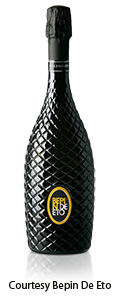
Bepin De Eto, Prosecco di Conegliano Valdobbiadene Superiore Brut DOCGCompared to the Classic Method, the Charmat-Martinotti Method is a quicker and cheaper production process for sparkling wine, which is known to maximize primary (or varietal) aromas although it generally sacrifices the wine structure and the finest perlage. For more detailed information, please refer to our post on the Charmat-Martinotti Method.

Now, let’s move on to a few recommendations of quality Prosecco’s:

  • Adami, Prosecco di Valdobbiadene Superiore Brut “Bosco di Gica” DOCG (95-97% Glera grapes/3-5% Chardonnay grapes, with aromas of wisteria, pear, apple, peach, Mirabelle plum and herbs);
  • Astoria, Prosecco di Valdobbiadene Superiore “Cuvée Tenuta Val de Brun” Extra Dry DOCG (100% Glera grapes, with a bouquet of white flowers, pear, apple and citrus);
  • Bepin De Eto, Prosecco di Conegliano Valdobbiadene Superiore Brut DOCG (100% Glera grapes, with scents of rose, wisteria, apple, pear, peach, bread crust and minerals – commendable is the investment made by the owners to achieve a very good density of 4,000 vines/HA);Adami, Prosecco di Valdobbiadene Superiore Brut "Bosco di Gica" DOCG
  • Le Colture, Prosecco di Valdobbiadene Superiore di Cartizze Dry DOCG (100% Glera, with a bouquet of white flowers, peach, citrus and herbs);
  • Marsuret, Prosecco di Valdobbiadene Superiore “San Boldo” Brut DOCG (100% Glera grapes, with aromas of mint, broom, elder blossoms, apple, citrus and minerals);
  • Montesel, Prosecco di Conegliano Valdobbiadene Superiore “Riva dei Fiori” Brut DOCG (100% Glera grapes, with scents of elder blossoms, wisteria, pear, apple, lime and minerals);
  • Nino Franco, Valdobbiadene Superiore di Cartizze DOCG (100% Glera, made in the finest sub-zone of the appellation known as Cartizze and displaying fine aromas of jasmine blossoms, passion fruit, citrus, herbs and minerals);Valdo, Prosecco Brut Metodo Classico Numero 10 DOC
  • Nino Franco, Prosecco di Valdobbiadene “Grave di Stecca” Brut (100% Glera, with scents of wild flowers, almond, apricot and citrus).

Hope you have an opportunity to enjoy some of these wines and, if you do, feel free to share your opinion here.

Happy New Year everybody!

Posted in Sparkling Wines, White Wines, Wine, Wine Education | Tagged , , , , , , , , , , , | 15 Comments

Merry Christmas!

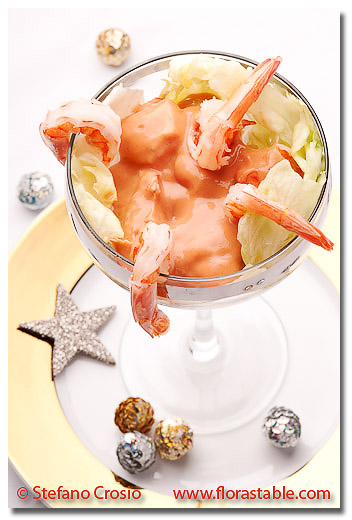
Shrimp CocktailHere we go! Christmas Eve… for my family, it is even more important than Christmas Day. We have been talking about this night for weeks. We have invited friends, my mom and I have decided the table setting and selected the dishes and Stefano has chosen the bubbly and the still wines for tonight.

My parents brought delicious treats from Rome and Stefano brought traditional sweets from Milan and Genoa.

To make you understand how much work and planning went into the preparations for this magical night and to give you a flavor of an Italian Christmas Eve, we decided we would share with you the pictures of some of the food that will be served. We follow the Catholic tradition, so you won’t see any meat around!

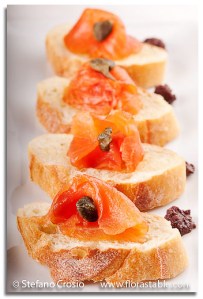
Smoked Salmon CrostiniWe’ll start with a shrimp cocktail, some eggs au gratin, a broccoli quiche, a potato frittata, smoked salmon crostini, blue cheese puffs with fontina sauce and cauliflower au gratin. With these, Stefano is going to serve a Ferghettina, Franciacorta Brut DOCG S.A., a Classic Method Italian spumante aged 24 months on its lees.

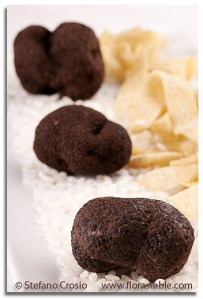
We’ll continue with spaghetti with clams and a truffle risotto. Afterwards, we’ll serve branzino fillets with vegetables. The wines that Stefano paired with these main courses are an Argiolas, Vermentino di Sardegna Costamolino DOC 2011 and a Vigneti Massa, Colli Tortonesi Timorasso Derthona DOC 2009 for the truffle risotto.

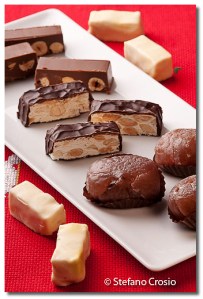
Black TrufflesFor dessert, we’ll have some fruit (grapes and cherries) and lots and lots of sweets: panettone (a traditional Christmas sweet bread loaf originally from Milan), pandolce (a traditional Christmas cake from Genoa), dried figs, chocolate-coated torrone and chocolate torrone with hazelnuts that my mom bought in Vatican City, marrons glacés from Cova (one of the most famous patisseries in Milan), chocolate orangettes, marzipan fruits and chocolates, all hand-made, from Viganotti (one of the oldest and best chocolate stores in Genoa, who make all their chocolate and marzipan masterpieces in the workshop adjoining the store, using only the best, freshest ingredients: if you are ever going to be in Genoa make sure you pay them a visit – you will not regret it). With the dessert, Stefano is going to serve Le Colture, Prosecco di Valdobbiadene Superiore di Cartizze Dry DOCG, a Charmat-Martinotti Method spumante, and for the chocolate a Lustau, Pedro Ximenez Sherry San Emilio – Solera Reserva DO.

Collection of Christmas sweetsHopefully, after all this food and wine, we are still going to function!  😉

Chocolate-coated torrone, chocolate torrone with hazelnuts and marrons glacésAll of us at Flora’s Table wish you and your families a very Merry Christmas! May Santa make your dreams come true tonight!!!Milanese panettone with chocolate-dipped orange wedges

Posted in Uncategorized, Wine, Wine Pairings | Tagged , , , , , , , , , , , , , , , , , , , , | 26 Comments

It’s been raining awards!

Is there any better way to celebrate the holidays than spending them with the people you love, giggling about an award under the tree? I don’t think so! 😉  Before going crazy with grocery shopping, finalizing my holiday menu and setting the table, I want to be sure to put an award under the trees of some blogger friends – some recently met, some following us from the beginning, everyone amazing in his/her own way.

Before I get to the nomination business, I want to apologize in advance for not giving a brief description of each nominee blog. As you know, my parents are visiting and the time I have left to blog is really, really limited – they are pretty demanding guests, you know 😉

Let me just say that the nominees are a bunch of fantastic people which includes talented artists, crafty masters, gifted cooks, fashion experts and world travelers. Each of them will open you a door to a new world. They will tell you about their cultures, they will make you laugh, they will touch your heart with their artwork or their life experiences, they will make you think about the world which surrounds you, they will share tips about how to realize wonderful crafty projects, they will teach you how to cook pretty much anything that is edible. The holiday break is around the corner so I suggest you find some time to check each of the nominee blogs out. You’ll find plenty to fall in love with.

A. Blog of the Year 2012

Blog of the Year Award 1 star thumbnailThank you to Fae of Fae’s Twist & Tango for nominating Flora’s Table for this great award. Fae has Persian origins, was raised in Japan, moved to the United States in the Seventies, traveled the world ever since. Her international background is unique, her travel posts are informative and extremely interesting and her food so eclectically delicious. I recommend you check her blog out. You won’t regret it!

The rules of the award are:

1. Select the blog(s) you think deserve the ‘Blog of the Year 2012’ award, a link to their blogs in your post, and notify them on their blogs.

2. Write a blog post and tell nominate blog(s) you have chosen – there’s no minimum or maximum number of blogs required – and ‘present’ them with their award.

3. Please include a link back to this page ’Blog of the Year 2012 Award’ and include these ‘rules’ in your post (please don’t alter the rules or the badges!)

4. Let the blog(s) you have chosen know that you have given them this award and share the ‘rules’ with them.

5. As a winner of the award – please add a link back to the blog that presented you with the award – and then proudly display the award on your blog and sidebar… and start collecting stars…

Well, my nominees are (in no particular order):

1. Laura of the cook to love project

2. Dina of The World according to Dina

3. Sarah of diary of a house elf

4. Kimberly of Whiskey Tango Foxtrot 4

5. Bobbi of Bam’s Kitchen

6. The gracious frog of The Greedy Frog

7. Anatoli of Talk-A-Vino

8. Violet of Violet Gallery

9. Genie of A Place Called Love

10. Daisy and the Fox

11. Jeanette of Global Grazers

B. Wonderful Team Member Readership Award

wonderful-team-awardI’m particularly happy that Flora’s Table has received this amazing award. During the last three months, I have learned that blogging is much more than publishing my posts and receiving likes. Blogging is about meeting other people and reading about their knowledge and life experiences. There is so much to read and learn! So, a huge thank you goes to Daisy and the Fox for this extraordinary award. Her recipes are fresh, creative and delicious. Go check her blog out as soon as you can. You’ll thank me later 😉

The rules for this award are pretty simple (thank goodness!): pass on the award to 14 nominees!

And my nominees are (in no particular order):

1. Stephane of My French Heaven

2. Sofia of Mamsell Proust

3. Chiara of Kiara Style

4. Zanzana of Zanzanaglob

5. A Twist of Couture

6. Jeanette of Global Grazers

7. Fae of Fae’s Twist & Tango

8. Candy of lovely buns

9. Rebecca of Lady or Not… Here I Come

10. Allison of spontaneous tomato

11. Sarah of diary of a house elf

12. Kimberly of Whiskey Tango Foxtrot 4

13. The gracious frog of The Greedy Frog

14. Jill of afternoon artist

C. The Very Inspiring Blog Award

Very Inspiring Blog AwardThank you to Candy of lovely buns for this wonderful award. Candy is a Scot living in Alsace (France) and, judging by the perfection of her recipes, I can tell she has been there for a long time 😉  Her dishes are simply mouth-watering and her food pictures are great. I guess I do not have to tell you: just go and check her out. Yup, this is my extra Christmas gift to you! 🙂

The rules for this award are the following:

– Display the award logo on your blog.

– Link back to the person who nominated you.

– State 7 things about yourself.

– Nominate other bloggers for this award and link to them.

– Notify those bloggers of the nomination and the award’s requirements.

Seven things about myself

1. I love old movies

2. One of my favorite activities is… sleeping 😉

3. I’m a perfectionist

4. Everything for me is either black or white: I struggle to see the grey

5. I get speechless in front of acts of rudeness. My tongue seems to freeze and when I’m ready to react, it’s always too late.

6. I think either you are born with a sense of style or you are not. There is no way you can acquire it later on.

7. I’m the worst driver ever.

My nominees are (in no particular order):

1. Carissa of at350degrees

2. The guys of The London Flower Lover

3. Jill of afternoon artist

4. Heather of Sweet Precision

5. Zanzana of Zanzanaglob

D. Liebster Award

Liebster AwardThank you to Carissa of at350degrees and Zanzana of Zanzanaglob for giving Flora’s Table this lovely award. Carissa was born with the baking gene and she thinks that baking is the cure to all. Consequently, her baking “medicines” are amazing and her sweet treats to die for. Zanzana in an Italian living in Milan. Her blog is more than just great, delicious food (do you know that she makes her own butter?). She tells her readers about life in Milan, all the events happening in Italy and Europe in general and, last but not least, her dream of growing vegetables in a rented garden in Milan. Yup, pretty cool, huh?

The rules for this award are the following:

1. Post eleven facts about yourself.

2. Answer the questions the tagger has set for you and create eleven questions for people you’ve nominated.

3. Choose eleven people (with fewer than 200 followers) to give this award to and link them in your post.

4. Go to their page and tell them.

5. Remember, no tag backs.

Eleven facts about me:

1. I love reading the classics

2. I’m taking French classes

3. I’m obsessed with cleanliness

4. I’m a Law&Order addict: I can watch even ten episodes in a row

5. I enjoy reading gossip magazines

6. I treasure the time spent with… myself 😉

7. I do not drink red wine (ouch!)

8. I do not watch horror movies. What’s the point of getting scared to death?

9. I loathe vulgarity

10. If I could, I would go to the movie theater pretty much every night (and yes, I would eat the nasty nachos with cheese!)

11. I have been waiting with trepidation for the beginning of the new season of my favorite shows: Downton Abbey and Smash.

Questions from Zanzana:

Q1. How would you define yourself?
A1. Not easy to live with.

Q2. Which languages do you speak?
A2. Italian and English

Q3. What is your favorite mean of transportation?
A3. Subway

Q4. What do you feel when you cook?
A4. Well, it depends… happy, focused, busy

Q5. What is your favorite animal?
A5. I’m not an animal person but if I have to pick one I would say… the leopard

Q6. What do you normally read?
A6. Novels, biographies, classics

Q7. Where would you like to live?
A7. Exactly where I am now 🙂

Q8. Is there a city you feel you really belong to?
A8: New York City

Q9. Do you grow any vegetables at home?
A9. No

Q10. How would you define Fashion?
A10. Coco Chanel used to say: ” Fashion fades, only style remains the same”. I think it is very true.

Q11. What would be your first wish for your letter to Santa Claus?
A.11 To keep my family healthy and happy

Questions from Carissa

1. Day or night? Night

2. Birthday or Christmas? This is a tough one… can I pick both?

3. Dogs or cats? Neither

4. Breakfast or supper? Breakfast

5. Pancakes or waffles? Neither

6. History or math? History

7. Movies or television? Movies

8. Superheroes or Vampires? Superheroes

9. Coffee or tea? Coffee

10. Chocolate or vanilla? Chocolate

11. Heels or flats? Flats

Questions for the nominees:

1. What’s your dream job?

2. Would you like to live somewhere else? If yes, where?

3. You would never…

4. What’s your next project?

5. Do you read before falling asleep?

6. What’s your favorite form of art?

7. You are obsessed with…

8. What’s on your list for Santa?

9. Do you play any musical instruments?

10. What’s the best gift you have ever received?

11. What’s your biggest regret?

My nominees are (in no particular order):

1. Raphaelle of Fait Maison

2. Heather of Sweet Precision

3. Lydie of Le Blog des Surprises

4. Justine of Rondo Takes Brooklyn

5. Scott of Greenhorn Photos

6. Misty of hayride to heaven

7. Christina of Small Kitchen Chronicles

8. Robin of Making Rainbows

9. Axel of Freshipe

10. Tim of The Forester Artist

11. Tortore

My warmest congratulations to all the nominees – you are all very well deserving!

One last note: I wanted to pass on an award to B of Just Add Attitude. However, when she started blogging, she decided not to take part in the “award process”. Obviously, her decision must be respected. I just suggest you pay her blog a visit because it is simply amazing.

May you and your families have a very happy holiday season!

Francesca

Posted in Awards | Tagged , , , , , , , | 59 Comments

Psychobubbles: Unraveling the Intricacies of Italian Spumante – Part III

Cheers!After discussing the Classic Method production process and the Charmat-Martinotti Method production process in the previous two posts, our series of posts on Italian spumante is coming to an end: today, I will pass on a few recommendations of some among the best Italian Classic Method spumante wines, at least in my view, while the next and last post will focus on recommendations specific to Charmat-Martinotti Method wines.

Before we get into the actual wines, just a few words about the best Italian appellations for Classic Method sparkling wines. In Italy there are four appellations that are exclusively reserved to the production of Méthode Champenoise wines, as follows:

  • Franciacorta DOCG, in the Lombardia region (permitted grapes: at least 50% of Chardonnay and/or Pinot Noir, along with up to 50% of Pinot Blanc – minimum aging on the lees: 18 months, with the “Riserva” version requiring a minimum of 60 months);
  • Trento DOC, in the Trentino region (permitted grapes: Chardonnay, Pinot Noir, Pinot Blanc and/or Pinot Meunier – minimum aging on the lees: 15 months, with the “Riserva” version requiring a minimum of 36 months);
  • Oltrepo Pavese Metodo Classico DOCG, in the Lombardia region (permitted grapes: at least 70% Pinot Noir, with the remaining maximum 30% coming from Chardonnay, Pinot Gris and/or Pinot Blanc – minimum aging on the lees: 15 months); and
  • Alta Langa DOCG, in the Piemonte region (permitted grapes: at least 90% of Chardonnay and/or Pinot Noir).

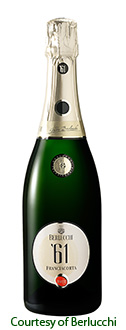
Berlucchi, Franciacorta Brut '61 DOCG

Beside those four appellations that are reserved to the production of Classic Method spumante wines, several other Italian appellations permit the production of Classic Method sparkling wines among other permitted wines (a few examples being Veneto’s Prosecco di Conegliano Valdobbiadene DOCG or Piemonte’s Cortese di Gavi DOCG or Sardinia’s Vermentino di Gallura DOCG).
Very broadly speaking, the best Classic Method Italian spumante wines can be found in the Franciacorta DOCG and in the Trento DOC appellations. Below are a few recommendations of very good Classic Method wines with good quality/price ratio from those two appellations that, should you come across them, you should definitely consider trying out:

(A) FRANCIACORTA DOCG

  • Berlucchi, Franciacorta Brut ’61 DOCG (85% Chardonnay, 15% Pinot Noir; 18 months of aging on the lees): a solid Francicaorta with hints of citrus, pineapple and pastry.
    *
  • Ferghettina, Franciacorta Brut DOCGBerlucchi, Cellarius Brut DOCG (80% Chardonnay, 20% Pinot Noir; 30 months of aging on the lees): this is simply delightful, one of my favorite Franciacorta ever. It is a little more expensive than the ’61, but in my view well worth the little extra for what it gives you back: freshly baked bread crust,  apple and citrus, with a mineral note, just wonderful. Unfortunately, it is not imported in the United States yet, but it sounds like the guys at Berlucchi are seriously considering whether this choice should change in the future: I sure hope it will some time soon!
    *
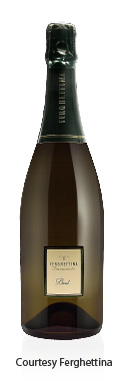
  • Ferghettina, Franciacorta Brut DOCG (95% Chardonnay, 5% Pinot Noir; 24 months of aging on the lees): an excellent choice for the money, with pleasant aromas of wildflowers, citrus, bread crust and peach.
    *
  • Ferghettina, Franciacorta Pas Dosé Riserva 33 DOCG (100% Chardonnay; 72 months of aging on the lees): magnificent and more expensive, one of Ferghettina’s top of the line wines, with scents of bread crust, pastry, citrus, pineapple, hazelnut complemented by mineral and slightly toasty hints.
    *Cavit, Trento Brut Altemasi Graal Riserva DOC
  • Bellavista, Cuvée Brut DOCG (80% Chardonnay, 18% Pinot Noir, 2% Pinot Blanc, 36 months of aging on the lees): very pleasant, with aromas of citrus, bread crust and peach.
    *
  • Bellavista, Gran Cuvée Brut DOCG (72% Chardonnay, 28% Pinot Noir; 48 months of aging on the lees): wonderful albeit quite expensive wine, with a complex bouquet of wildflowers, pastry, citrus and pineapple and lingering aftertaste.
    *
  • Ca’ del Bosco, Franciacorta Brut Cuvée Prestige DOCG (75% Chardonnay, 15% Pinot Noir, 10% Pinot Blanc; 25 months of aging on the lees): very good choice with aromas of wildflowers, bread crust, peach and almond.
    Dorigati, Trento Brut Methius Riserva DOC*
  • Ca’ del Bosco, Franciacorta Cuvée Annamaria Clementi DOCG (55% Chardonnay, 25% Pinot Blanc, 20% Pinot Noir; 84 months of aging on the lees): okay, this is really expensive, but it is also sublime: the finest perlage along with a complex bouquet of peach, honey, almond, dried nuts and subtle mineral hints of gunflint – a delightful sin.

(B) TRENTO DOC

  • Cavit, Trento Brut Altemasi Graal Riserva DOC (70% Chardonnay, 30% Pinot Noir; 72 months of aging on the lees): quite expensive, but of excellent quality, with aromas of pineapple, citrus, bread crust coupled with a touch of incense and mineral hints.
    *
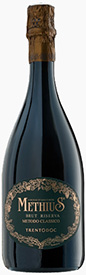
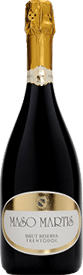
  • Maso Martis, Trento Brut Riserva DOCDorigati, Trento Brut Methius Riserva DOC (60% Chardonnay, 40% Pinot Noir; 60 months of aging on the lees): yet another great choice, with aromas of magnolia blossoms, citrus, pineapple, bread crust, vanilla.
    *
  • Maso Martis, Trento Brut Riserva DOC (70% Pinot Noir, 30% Chardonnay; 52 months of aging on the lees): an exquisitely refined wine, with a wide bouquet of bread crust, wildflowers, apple, citrus, banana, butter and slightly oaky due to partial aging in barrique barrels. Wonderful.
    *
  • Ferrari, Trento Brut Perlé DOC (100% Chardonnay; 60 months of aging on the lees): an excellent wine, with aromas of magnolia blossoms, citrus, apple, melon and pastry.

That’s all for now – stock up for the holidays and drink good wine!  🙂

Posted in Sparkling Wines, White Wines, Wine, Wine Education | Tagged , , , , , , , , , , | 25 Comments